Responsibility
We make colour biologically, to remove the environmental and health cost of conventional pigments.
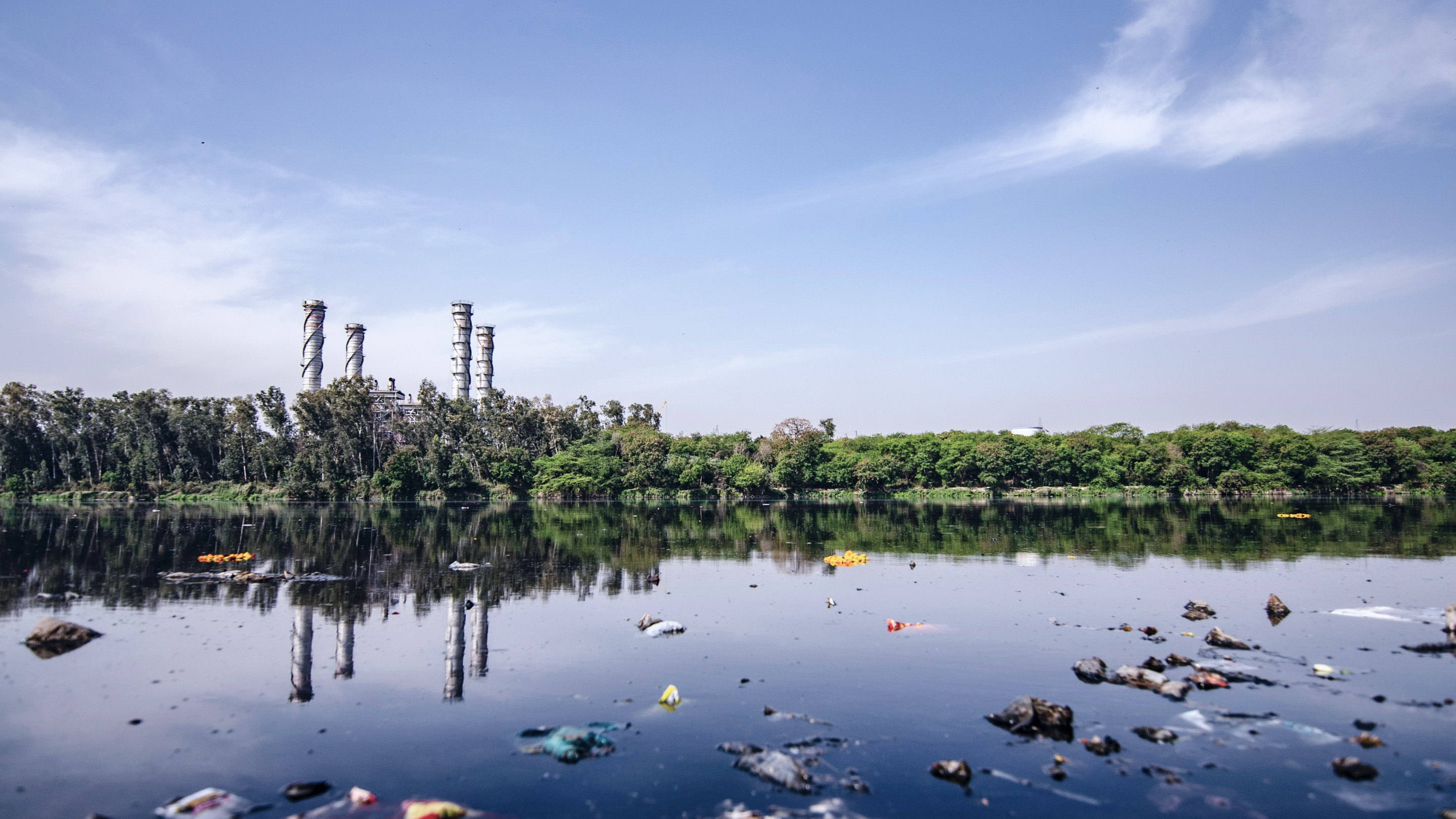
Almost every industry runs on colour, and almost all of it is made from fossil-based chemistry.
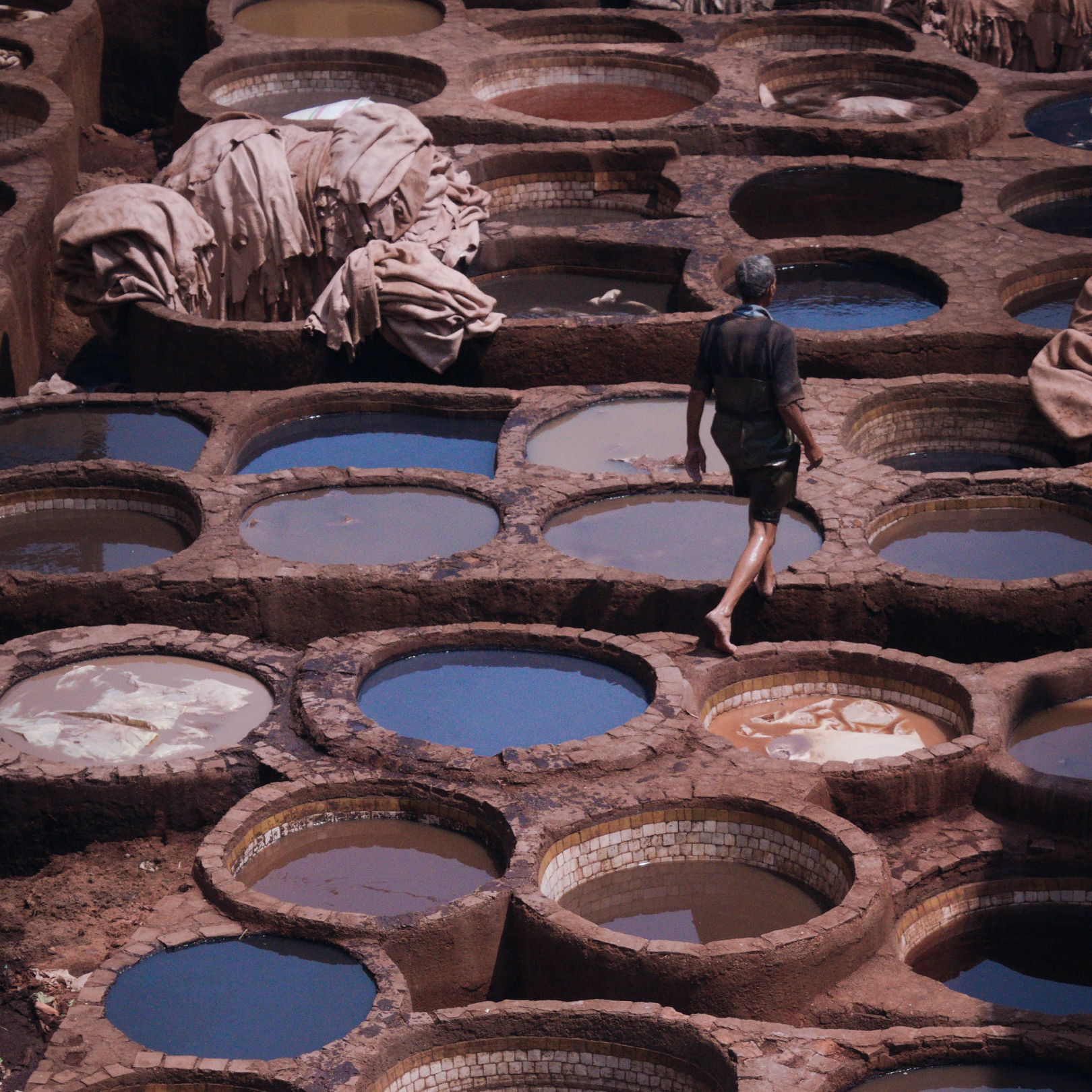
That chemistry carries a measurable cost: high water and energy use, significant emissions, and a toxic load that reaches water, soil, and people.
Octarine changes how colour is made. We engineer yeast to produce fully bio-based pigments through fermentation, giving industry the colour it depends on without the burden of synthetic production.
The cost is well
documented.
The cost of conventional colour is well documented across three dimensions.
Environmental impact
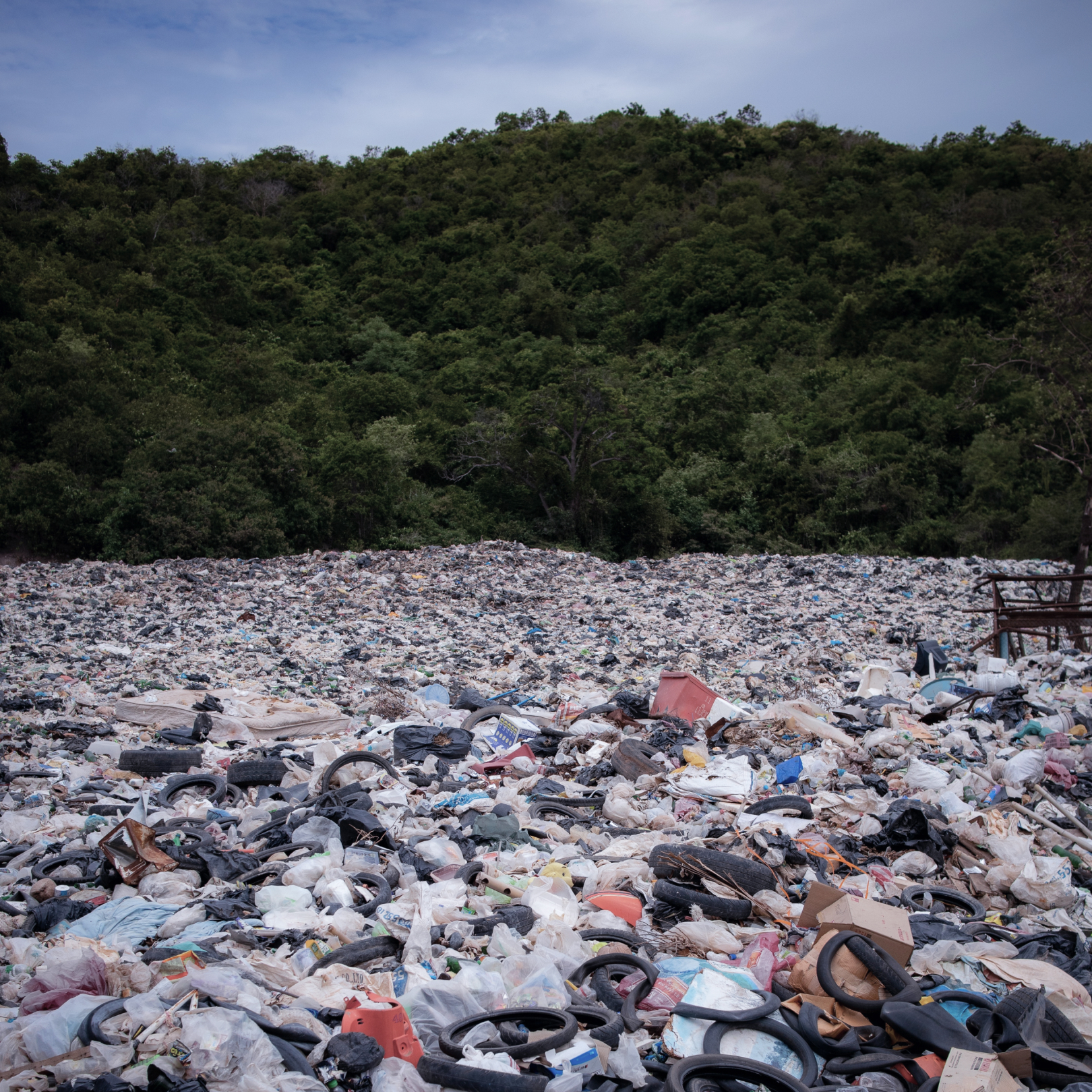
The production and processing of colours contributes a meaningful share of global greenhouse gas emissions. Synthetic colourants and additives also add to the toxic load carried into water, soil, and ecosystems.
Health risks
Many synthetic colourants contain or release hazardous compounds, including heavy metals and derivatives of aromatic amines. Several have already been restricted by regulators over toxicity and health concerns.
Supply chain and regulation
Tightening regulation and fragile petrochemical supply chains are pushing brands and manufacturers toward colour sources that are safer, cleaner, and more resilient.
Colour without
the cost.
PurePalette is our platform of fully bio-based pigments, designed as drop-in replacements for synthetic colourants across multiple applications. It integrates into existing processes, so partners can lower their impact without rebuilding their supply chain.
Our most mature application, textile dyeing, has been assessed in a life-cycle analysis.
In comparison to traditional dye manufacturing and dyeing processes:
These figures cover PurePalette manufacturing and the textile dyeing process, compared to conventional dye manufacturing and dyeing. They are specific to textile dyeing and are not extended to other applications. Full life-cycle report available on request.